Subscribe to this blog and receive an email notice when new content is posted. You may unsubscribe/unfollow at any time.
Dig Done
The 2017 Mount Zion Dig is done.
Before…
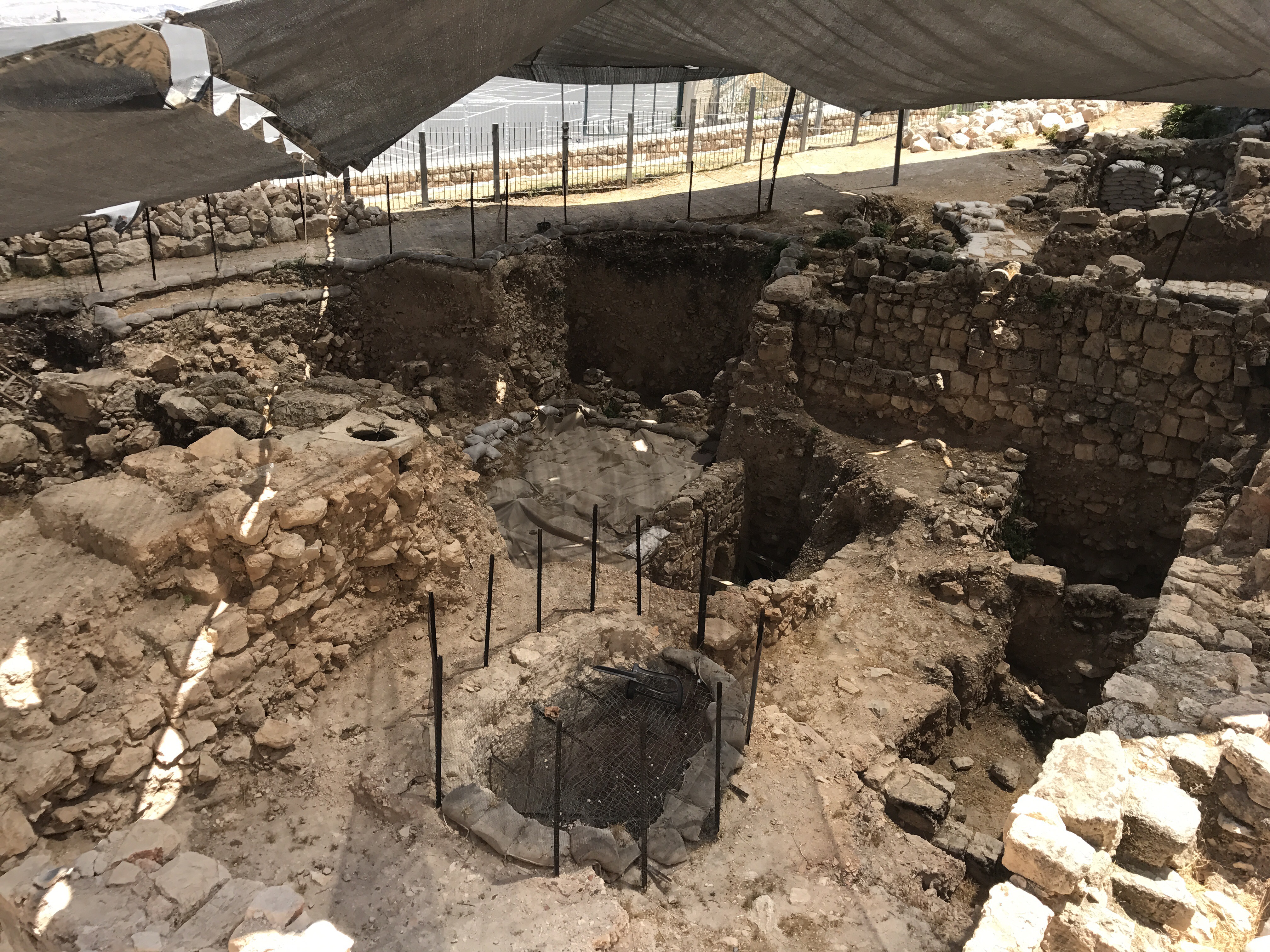
And after…
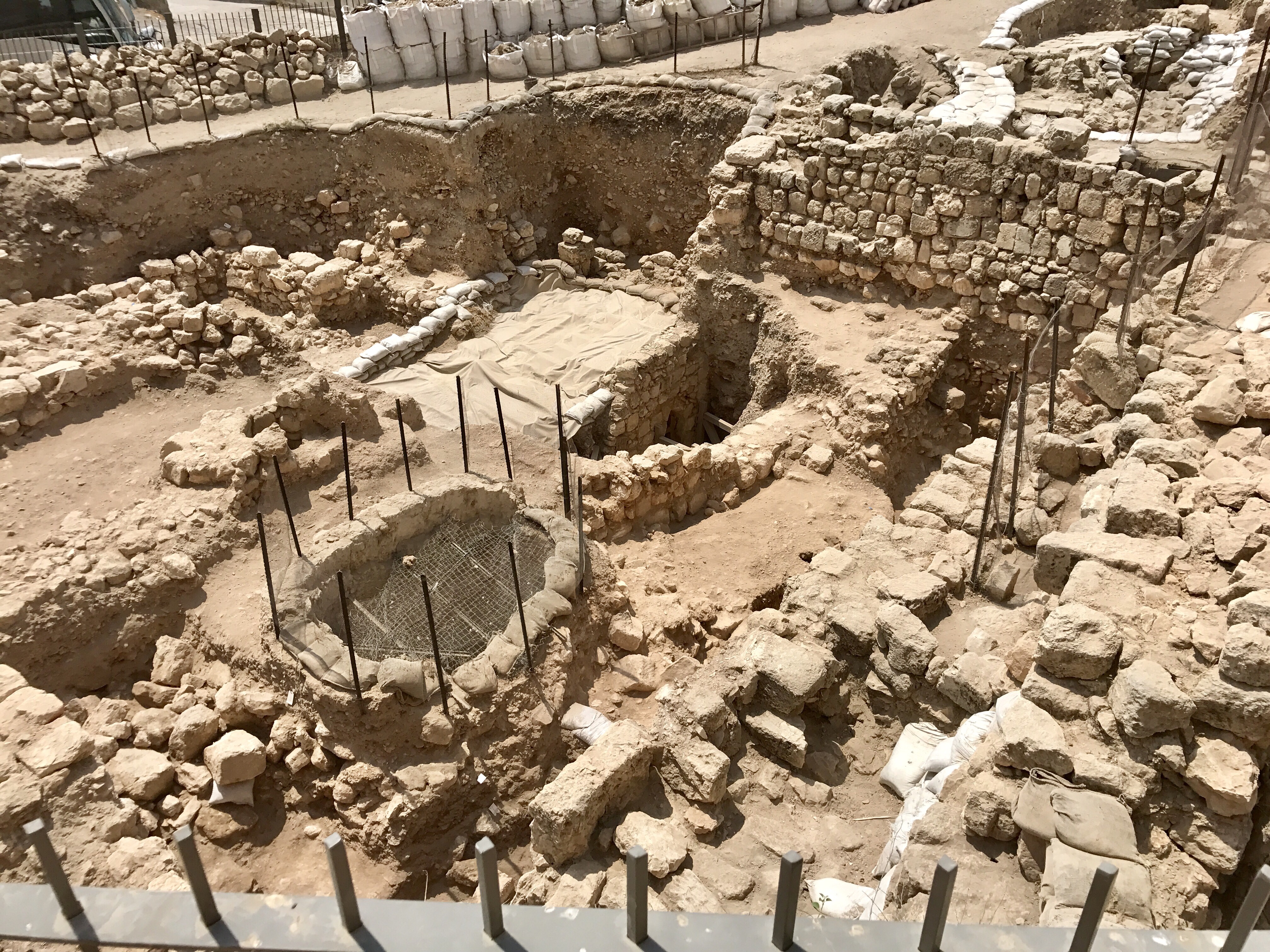
The obvious difference is the change in the landscape. Walls are revealed, floors uncovered, rooms outlined, and a multitude of artifacts discovered.
What you can’t see is the tens of thousands of pottery shards collected and the hundreds of tons of dirt and rocks removed from the site.
Our directors are reporting that our work is clarifying this complicated site and revealing a huge body of information about life in first century Jerusalem.
It’s been hard work, made tolerable by the camaraderie of new friends and shared tasks. But it has also been immensely satisfying knowing that we are adding to the world’s understanding of ancient Jerusalem.
There is a farewell party tonight and Marion and I leave tomorrow for a night in Tel Aviv before flying back to the U.S. late Saturday night.
I don’t know if I’ll get anything posted between now and when we get home. So… It’s been great sharing this trip with you. I hope you have enjoyed following our adventure!
Remember to pray for the peace of Jerusalem. Shalom. Salam. Peace!
The Upper Room
Sometimes in the afternoon we get the opportunity to explore significant sites with one of our scholars. On Monday James Tabor led a field trip to Mount Zion where, among other things, we explored the traditional site of the Upper Room.
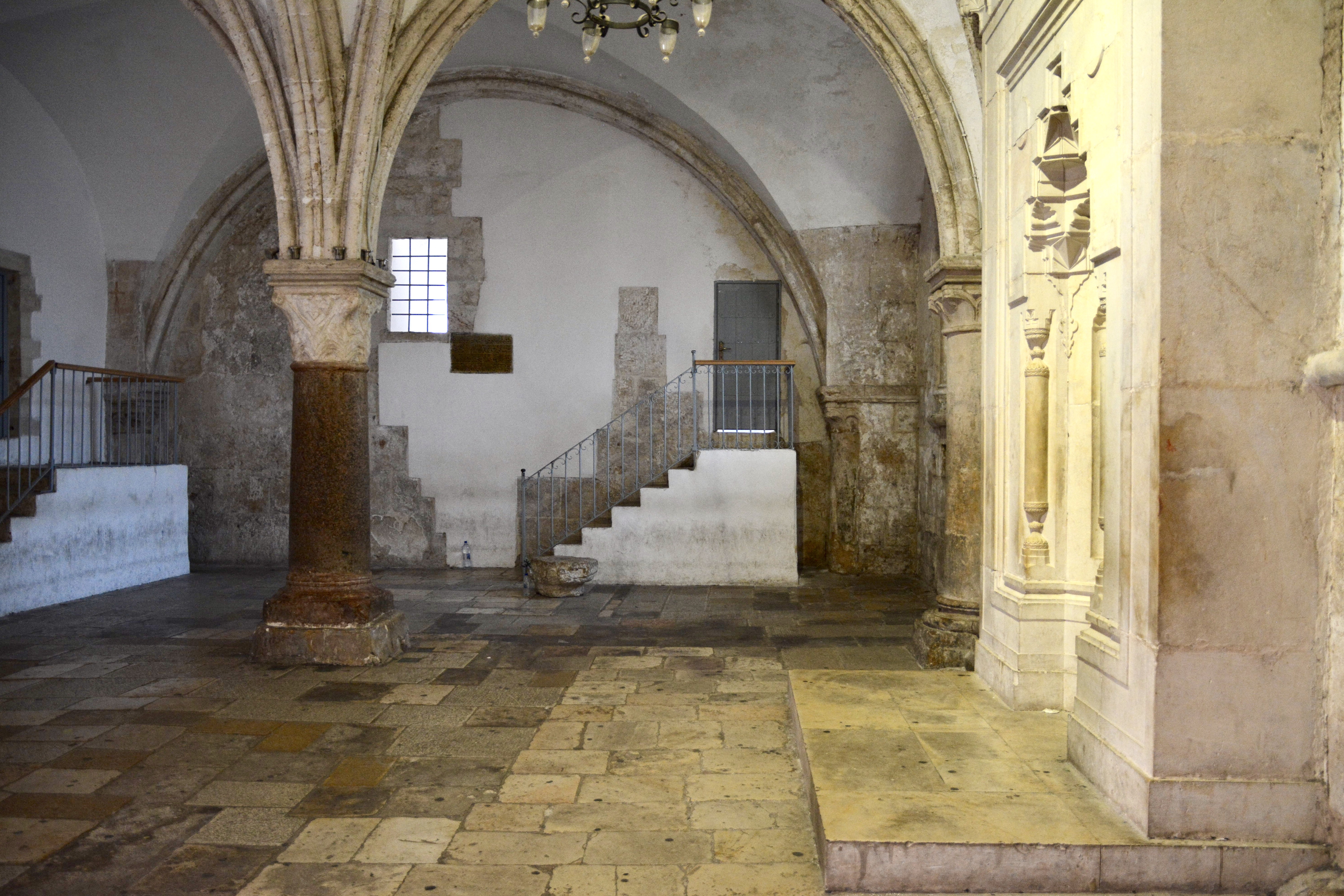
Located on Mount Zion in a complex that includes the traditional site of David’s tomb and Dormition Abbey (Mary’s resting place), the Cenacle (Latin: Upper Room) is on the second floor of a building that goes back to the fourth century CE.
The door in the background, up the steps, leads to a smaller room which is thought to be the actual site of the Upper Room.
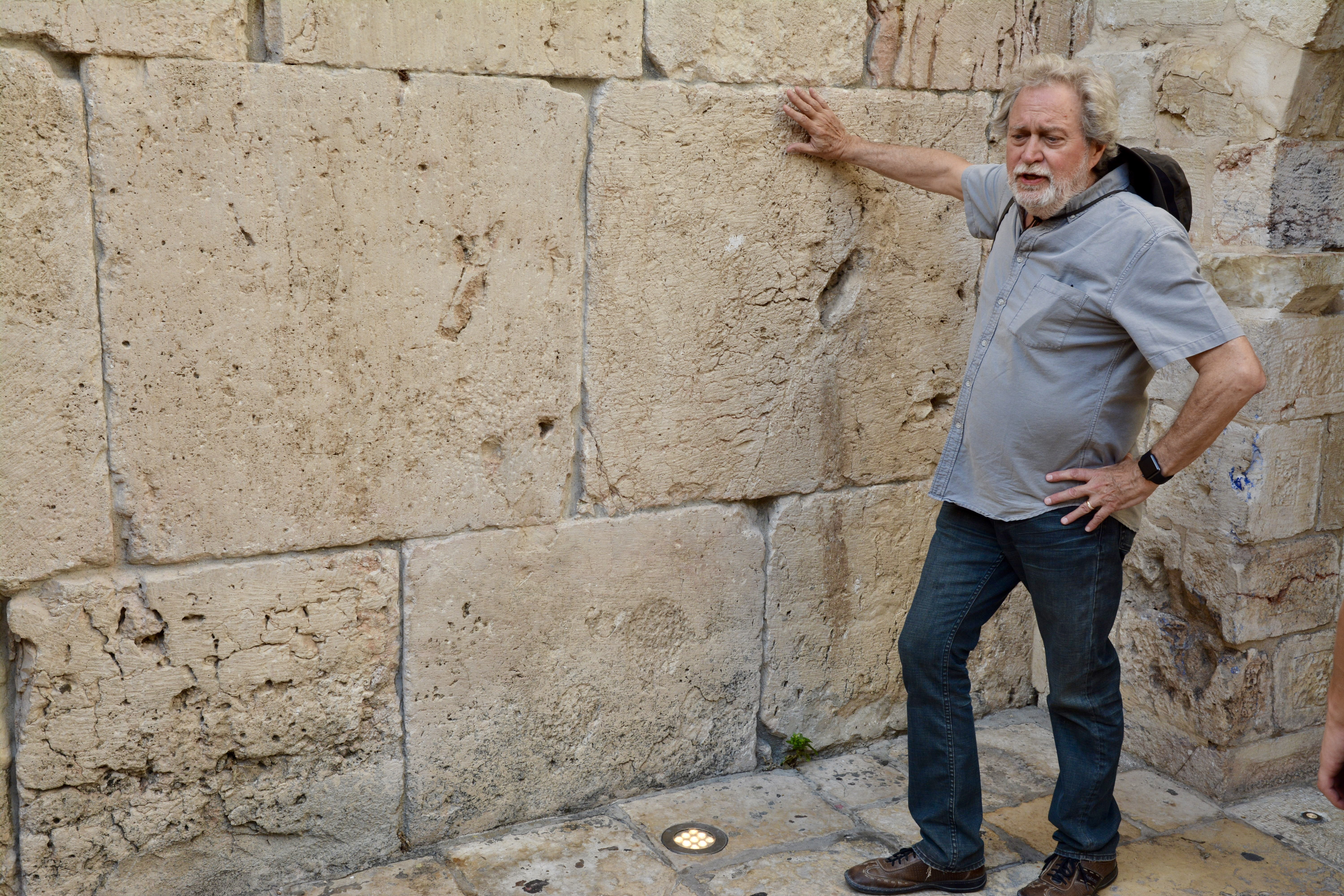
Professor Tabor points to a stone from the Herodian period when Jesus lived that makes up the foundation of the building. This foundation is of a synagogue we know existed in the first century.
A small courtyard of the building contains a well, known as Mary’s Well, around which the disciples would likely have gathered to hear Jesus teach, nearby their final meal with Jesus.
This is another example of a location where we can confidently say Jesus walked, talked and dined. Today we can be there too, separated only by time.
The Western Wall Tunnels
The well-known Western Wall Plaza is only the most easily accessible portion of the western retaining wall built by Herod the Great. The western wall actually extends the entire length of the temple platform and for over three decades has been accessible to the public.
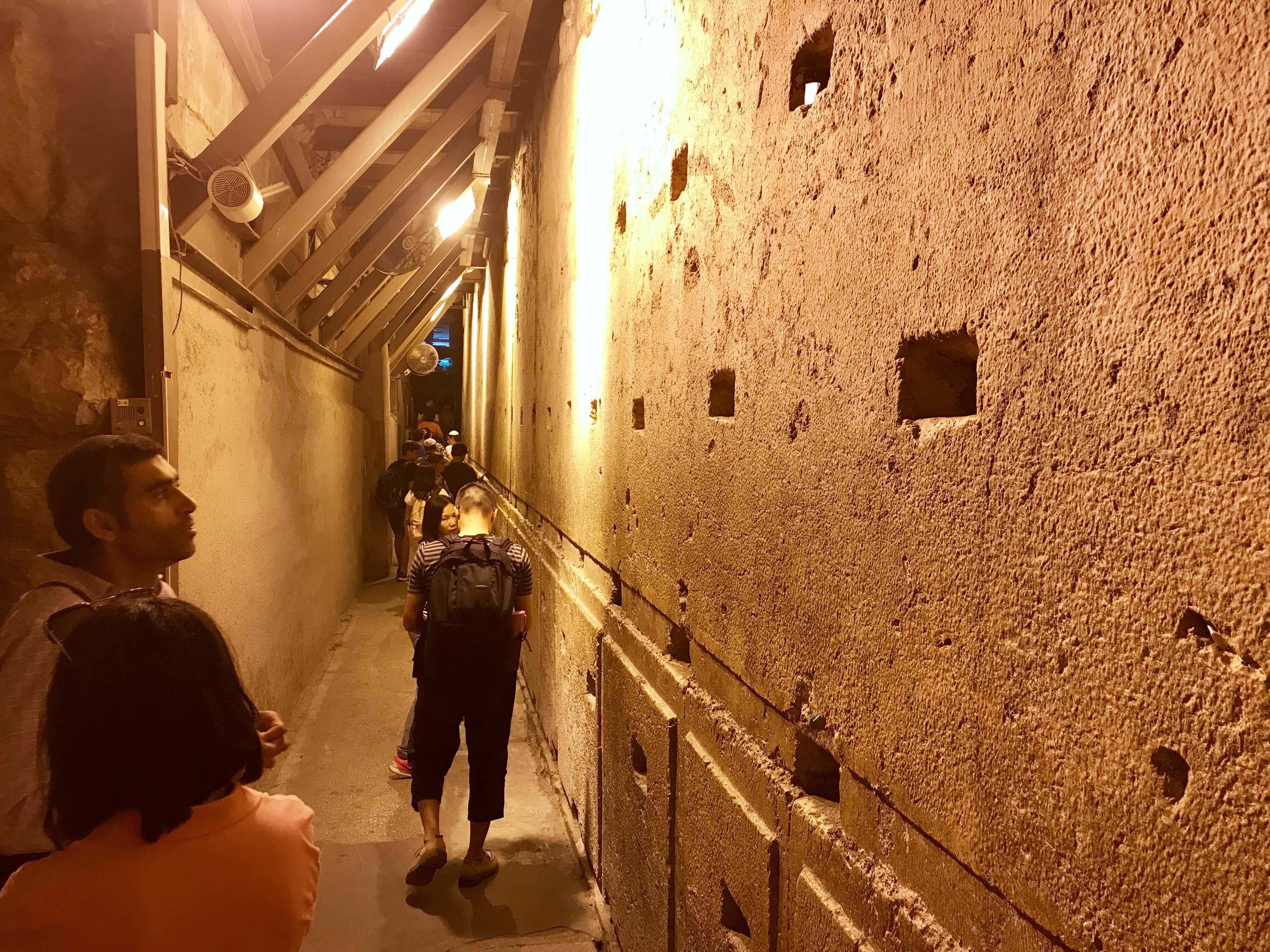
Once in the tunnel you can see stones Herod’s builders used in the first century. To the right in this photo is the largest stone weighing over 520 metric tons. It is believed to be one of the heaviest objects ever moved by humans.
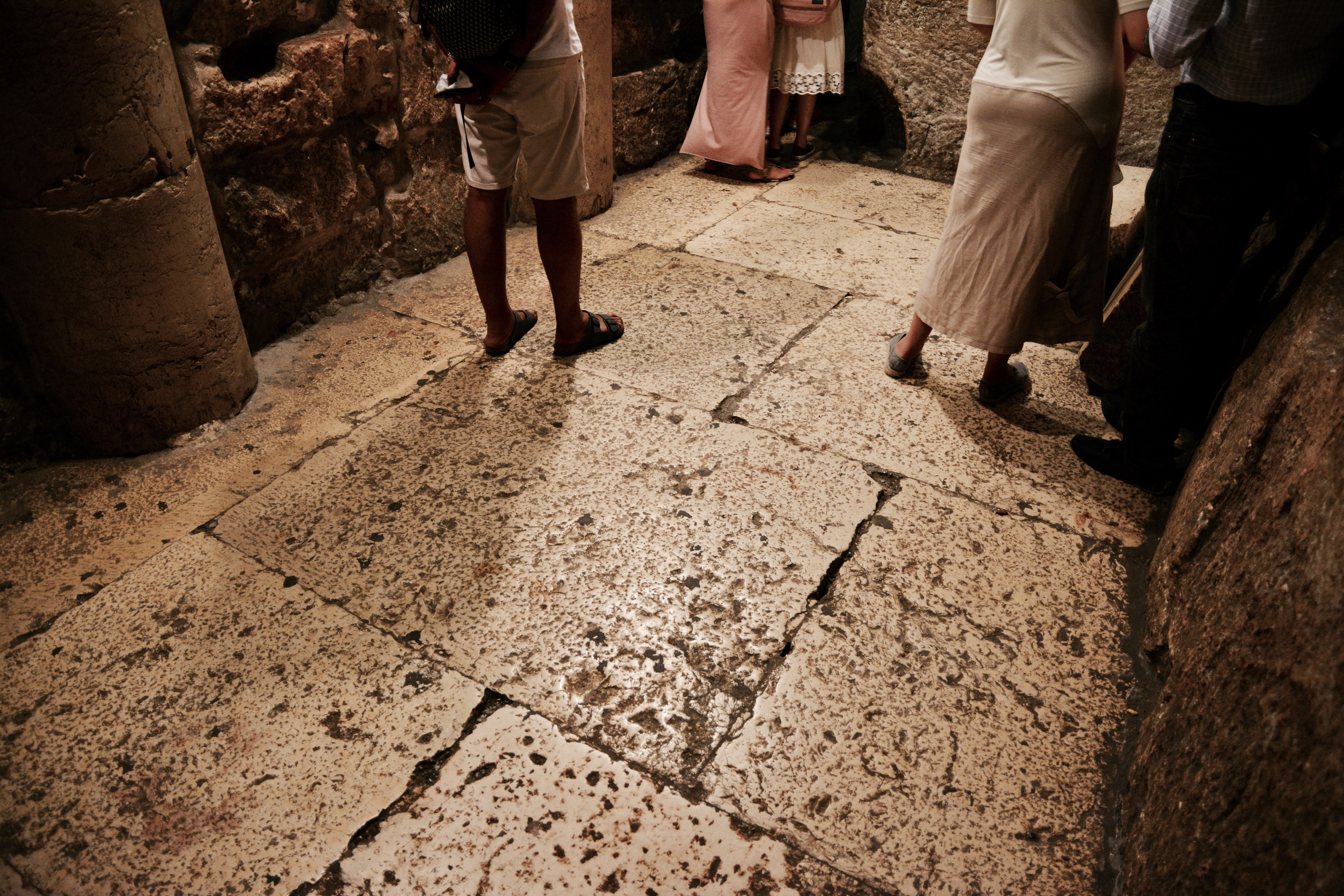
In the photo below you will see original pavement — paving stones — that anyone visiting anxiety Jerusalem would have walked upon (including Jesus).
A Nervous City
Early on Friday of last week there was a shooting on the Temple Mount which resulted in the deaths of two Israeli soldiers. Three Arabs with Israeli citizenship snuggled guns onto the holy area and shot the officers before being killed themselves.
The word Jerusalem means city of peace. But this weekend there was little peace to be found.
The Israeli authorities, in a rare move, barred access to the Old City and to the Temple Mount and the Muslim Al Aksa Mosque there, preventing teens of thousands of Muslim worshippers from attending Friday prayers. Our group that went to the Herodium was delayed about an hour before we could head out of the Old City to reach our bus.
We found out later that one of the Israeli soldiers killed was the same soldier that befriended members of our group when we toured the Temple Mount the previous week.
The increased police presence is quite visible but so far, except for some delays, has not impacted our daily routines. (As you will see in the next post.)
The Israeli authorities installed metal detectors at multiple entrances to the Temple Mount (where there had only been one location before). The Arabs took this as a breach of the fragile “status quo” arrangement that manages access to the Holy site and have expressed their displeasure with protests and angry rhetoric.
This Friday’s mid-day prayer will be a time of great tension and will be watched closely by all involved.
Pray for the peace of Jerusalem — Muslims, Jews and Christians — that cool heads will prevail and tensions eased, and that Jerusalem will live up to its name!
King Herod — The Herodian
King Herod the Great lived from ~73-4 BCE and became the Roman client-king of Judea. He lived through the first couple of years of Jesus’ life. His reputation was that of a cold, calculating, brutal leader who married into a royal family to curry favor among his subjects and later killed his wife and sons out of paranoid fear.
Herod was known as a builder of huge projects in the ancient world. Among other things, he built/rebuilt the second Temple, the seaport at Cesarea Maritima, his palace-fortress at Masada, and another palace that would become his burial place — The Herodium.
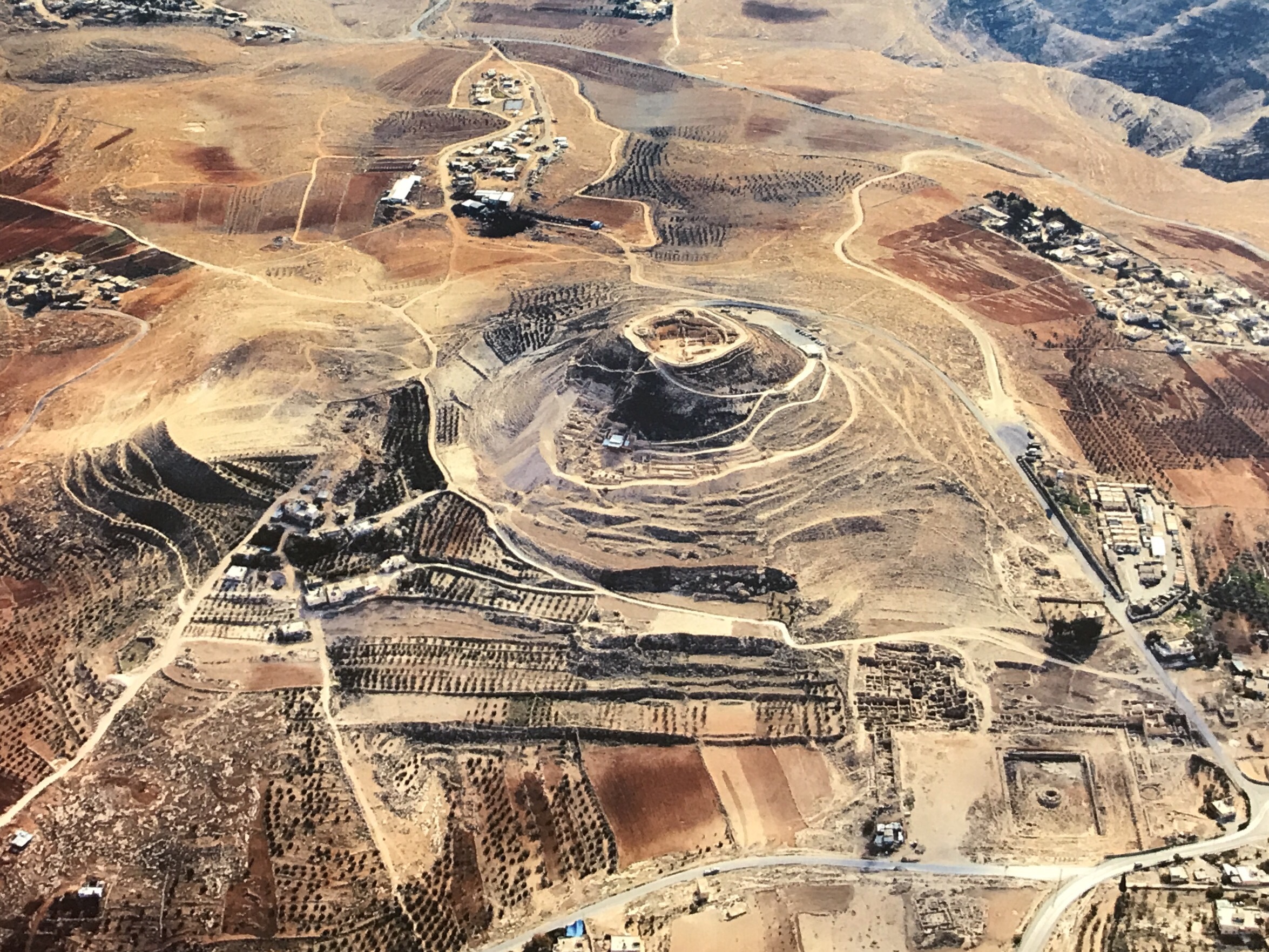
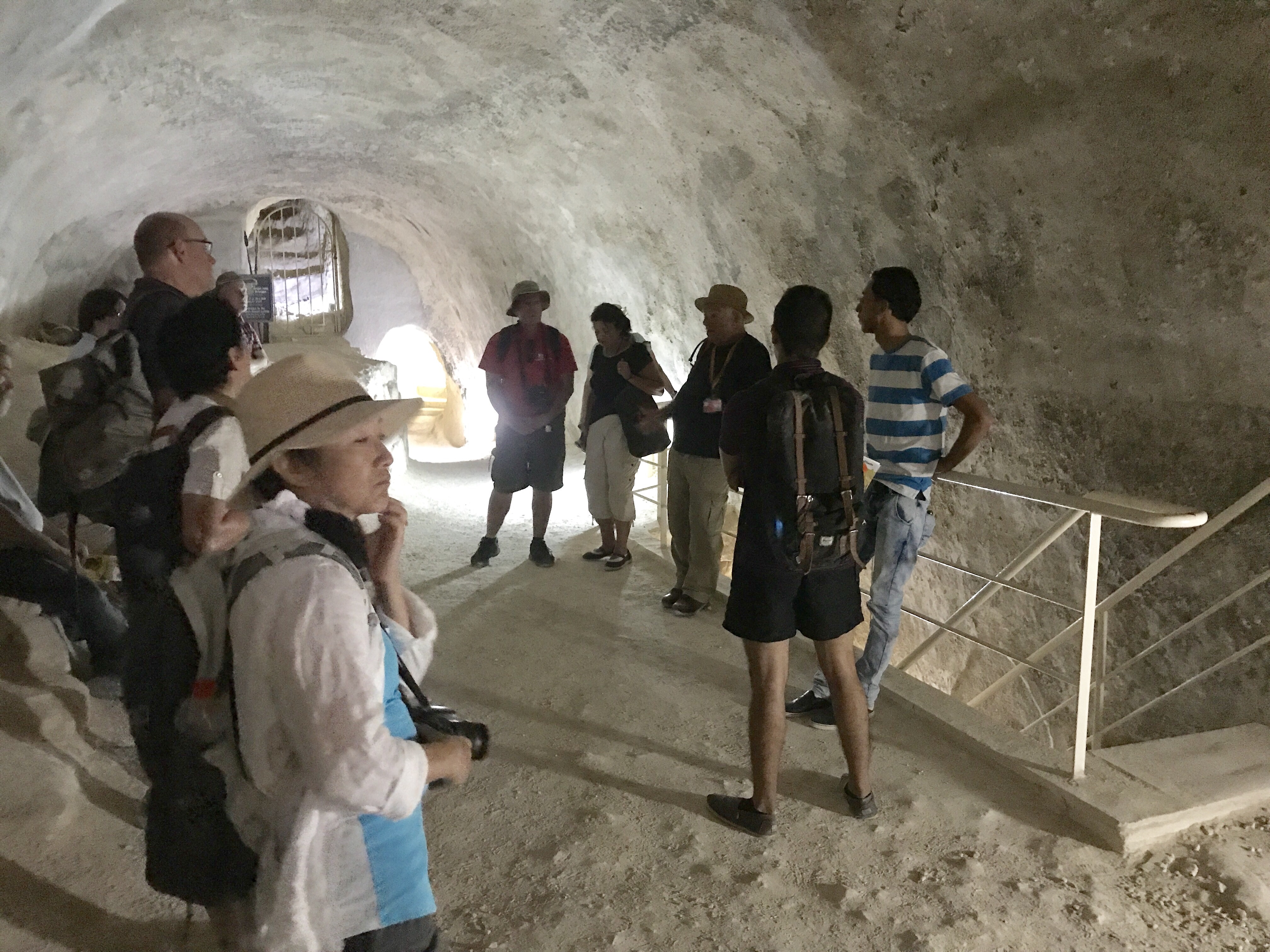
Less than eight miles south of Jerusalem this cone rises above the desert floor to a height of almost 2800 feet above sea level, the highest point in the Judean desert. (Herod wanted everything he did to be the greatest.) Slave laborers carried dirt to the top and poured it out over the sides to make this monumental complex complete with swimming pool, Roman baths, and water collection/distribution system. An underground storage cistern is shown below.
According to the historian, Josephus, Herod was buried at the Herodium with great pomp and ceremony. Many of the attendees were soldiers required to be present. After the destruction of Jerusalem in 70 CE and subsequent revolts, Herod’s tomb was destroyed. In 2007 an Israeli archeologist discovered what could be the remains of that tomb. Herod’s building projects and his infamous reputation succeed him in death.
Week 3 wrap up
Week three (or four, if you count the interim field trip / excursion week) has come to an end. Here are some more photos of life at this archeological dig.
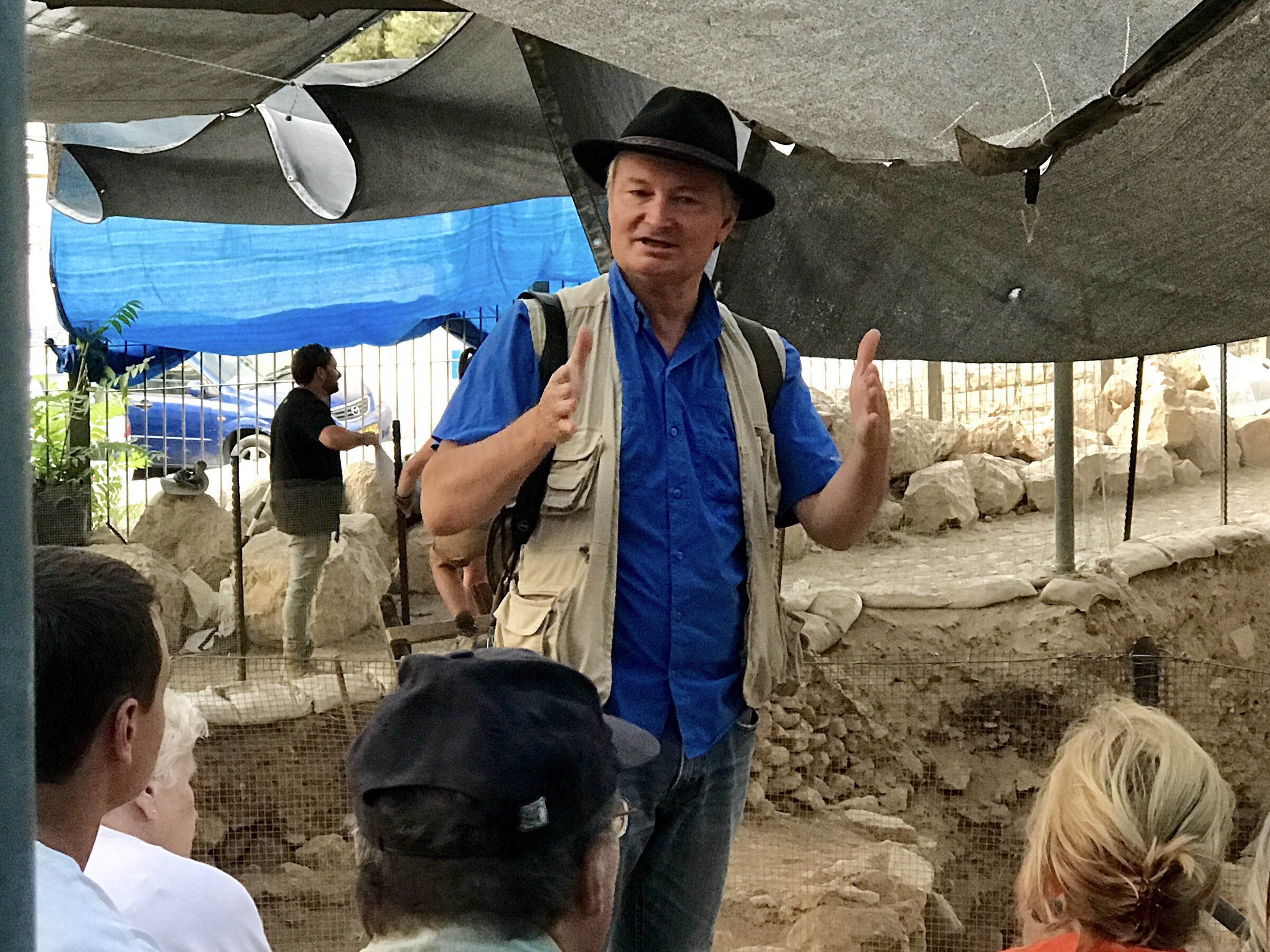
Dr. Shimon Gibson, one of the directors of the project provides an overview of the work each day. To signal the start of the work time he uses his signature phrase, “Let’s get cracking!”
Dr. Gibson, having served previously as visiting facility, will be moving to Charlotte to assume a permanent teaching position at UNCC.
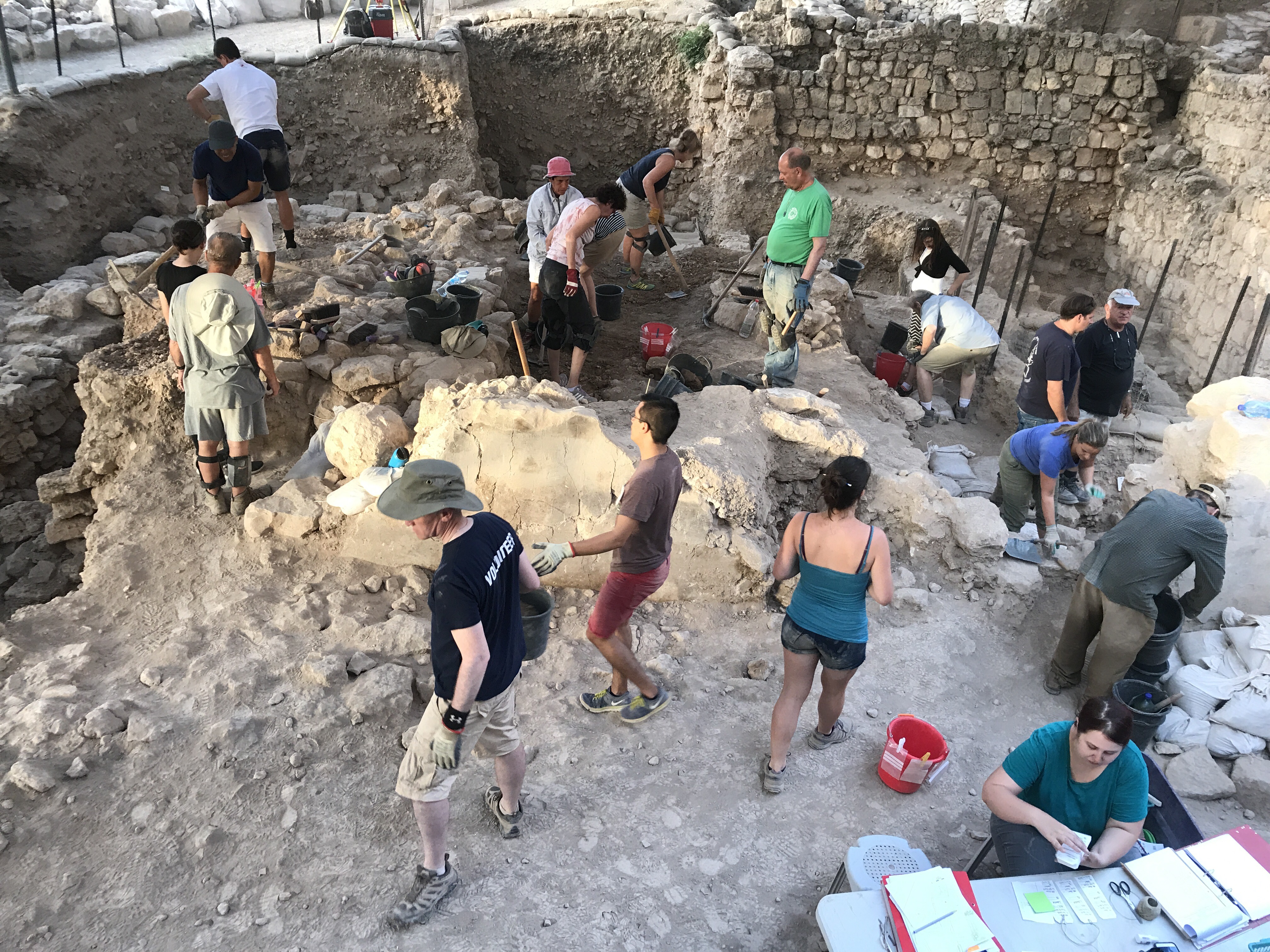
As the workday begins,the team I was part of positions equipment and gets their individual assignments for the day.
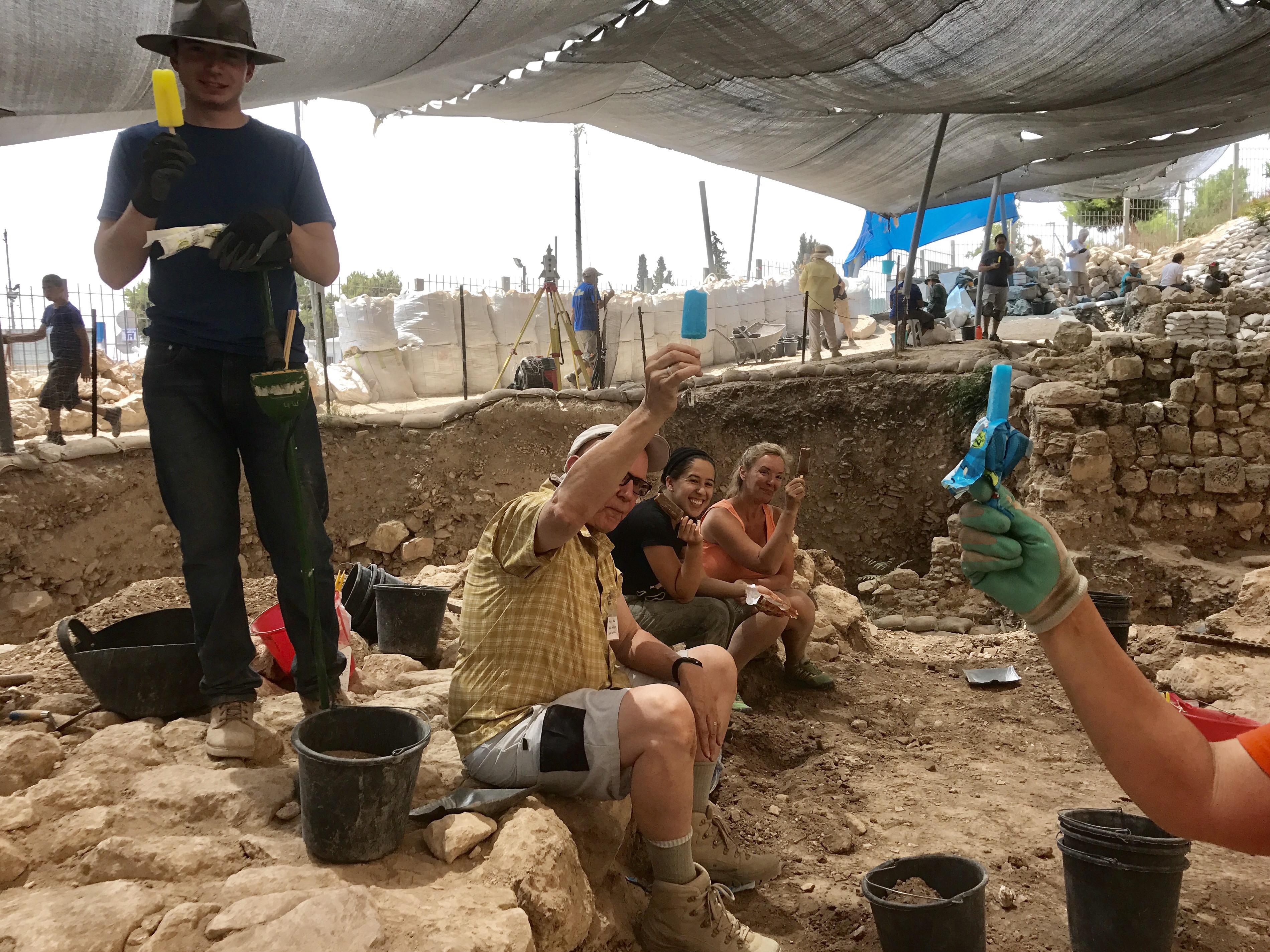
About 11am each day, everyone takes a 10-15 minute break to enjoy a frozen popsicle. Since by then the temperature is peaking and everyone has worked hard, the folks handing out the cold treats get a lot of love.
There is probably nothing better on a hot summer day than the experience of a cold, sweet, sugary, intensely flavored confection trying to cool a hot, parched, body!
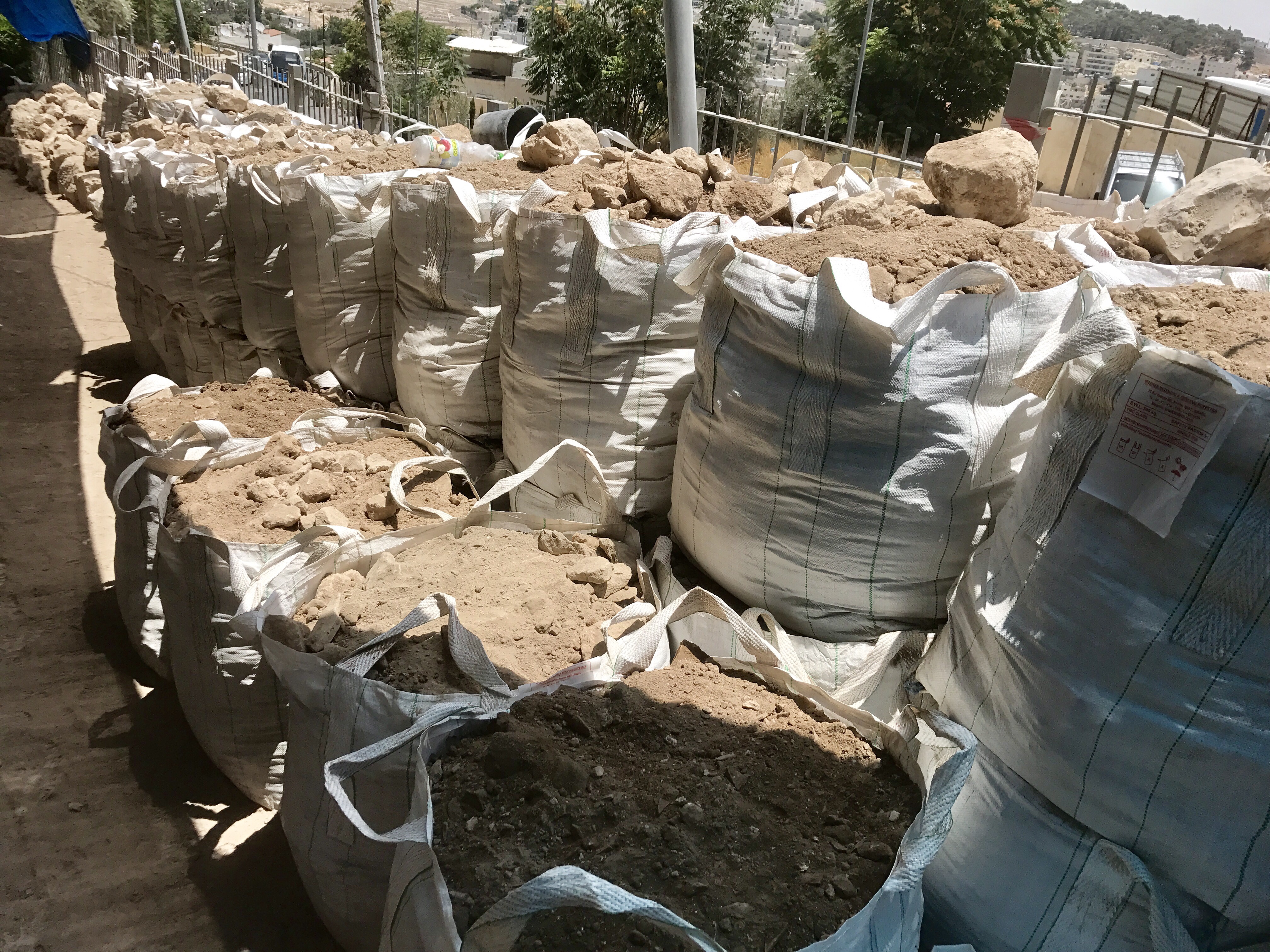
At the end of two days of digging the two teams working the site excavated a total of 62 of these large bags, each one an estimated one ton of dirt and rocks. That means we moved over 30 tons of material for disposal. A much smaller quantity was sent to the museum for sorting and washing. No wonder we are worn out each day!
When night falls
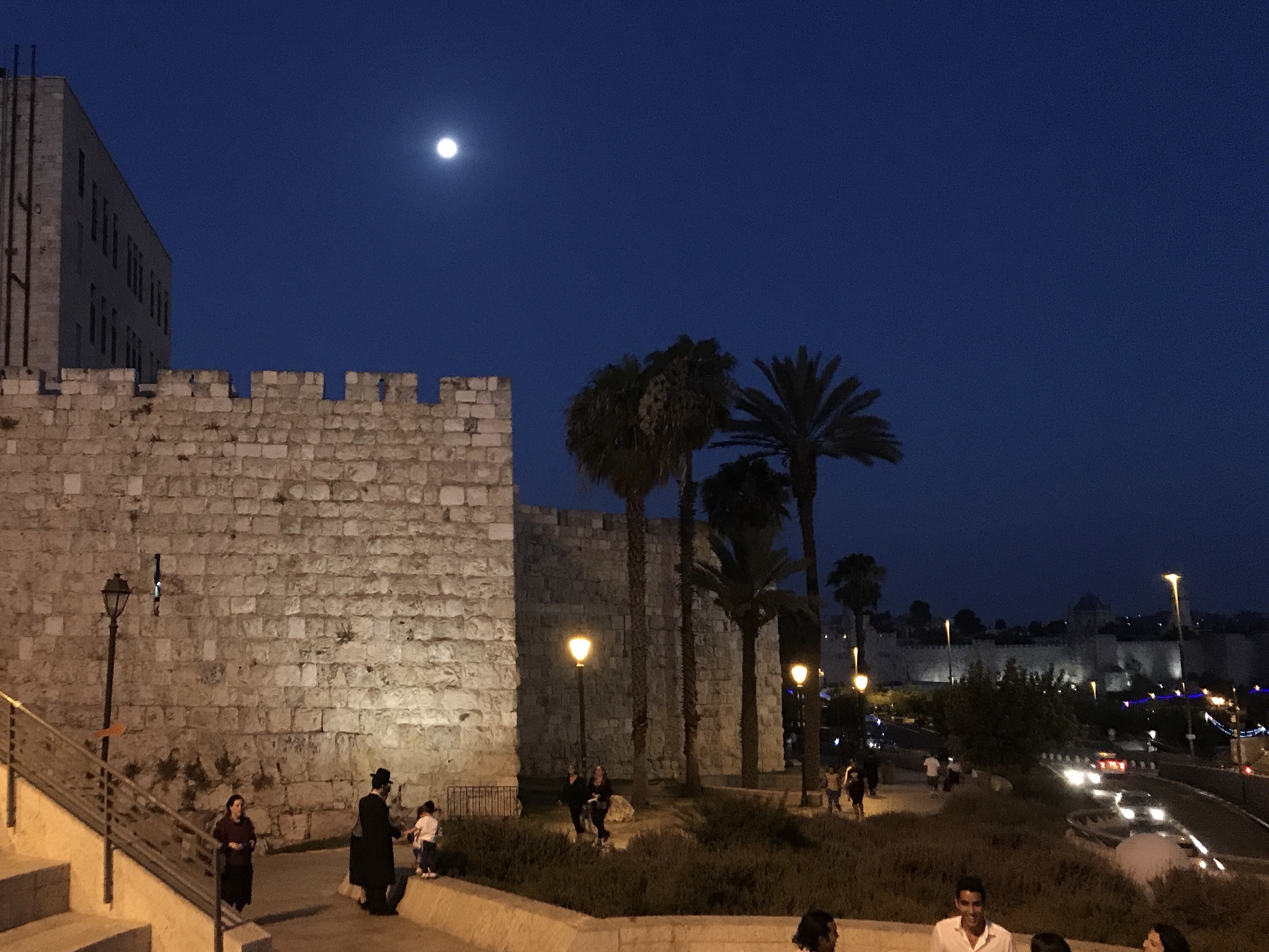
After a hot day of work and relaxing in the afternoon, the sun goes down and the temperature drops into the comfortable range.
The full moon rises beautifully over Jerusalem just like it did millennia ago.
Families and individuals stroll along the western side of the Old City. A group of 30-40 Israeli young adults gather for a group photo, sing a few songs and move on with much laughter. Christians and Muslims greet each other as they head to a store or to their homes.
For tonight at least, all is right with the world.
Back to the Dig
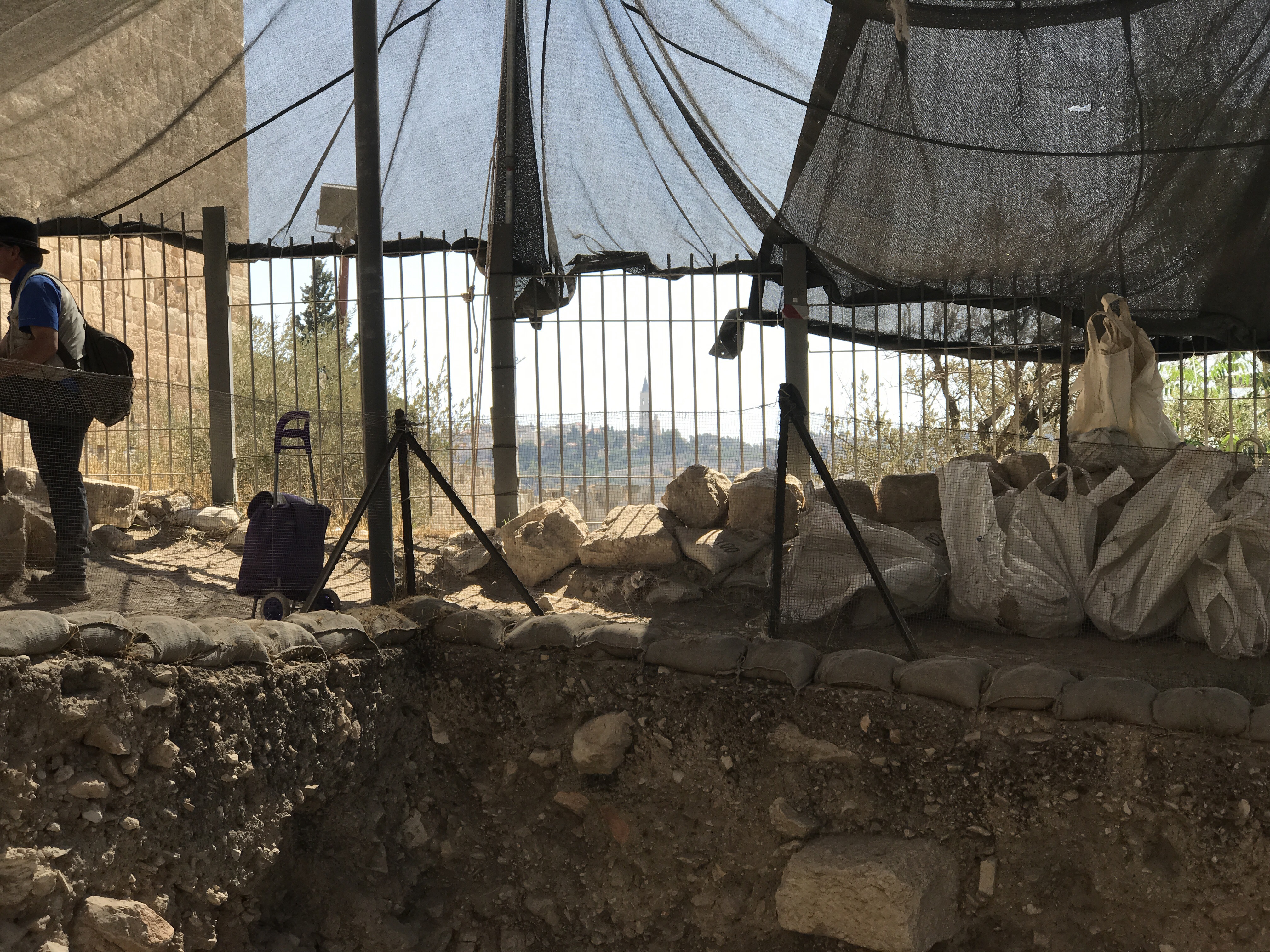
With the interim well behind us, today begins the final two weeks of the dig.
Most of the UNCC college students are back home and a new group of volunteers are stepping in — from California to New Jersey, from Australia to England.
We start with a general cleanup of the site, new photos taken, and strategies developed.
As the previous work has uncovered new layers (pun intended!), the site directors are deciding how best to proceed.
We’ll be taking down walls and removing huge rocks (thank goodness for people who can move heavy things!), always on the lookout for that special find that will establish dating and context.
As I’ve said before, this is hard work. But with the influx of new people the enthusiasm is high.
Sweet Baby Ray’s
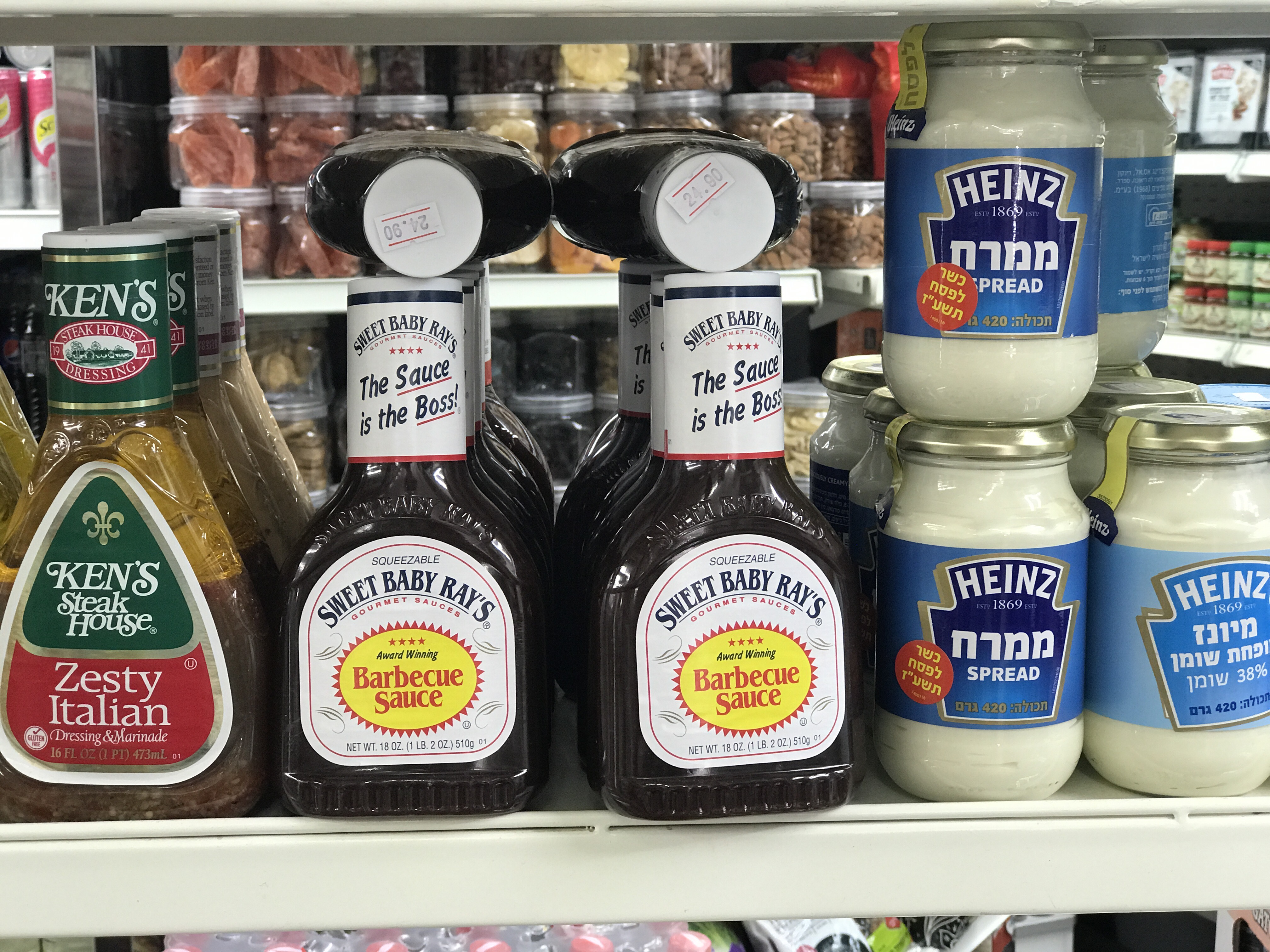
I guess some things are the same world wide.
While looking for some groceries we found the apparently ubiquitous Sweet Baby Ray’s BBQ sauce prominently displayed.
Good is good in any culture..
Hezekiah’s Tunnel
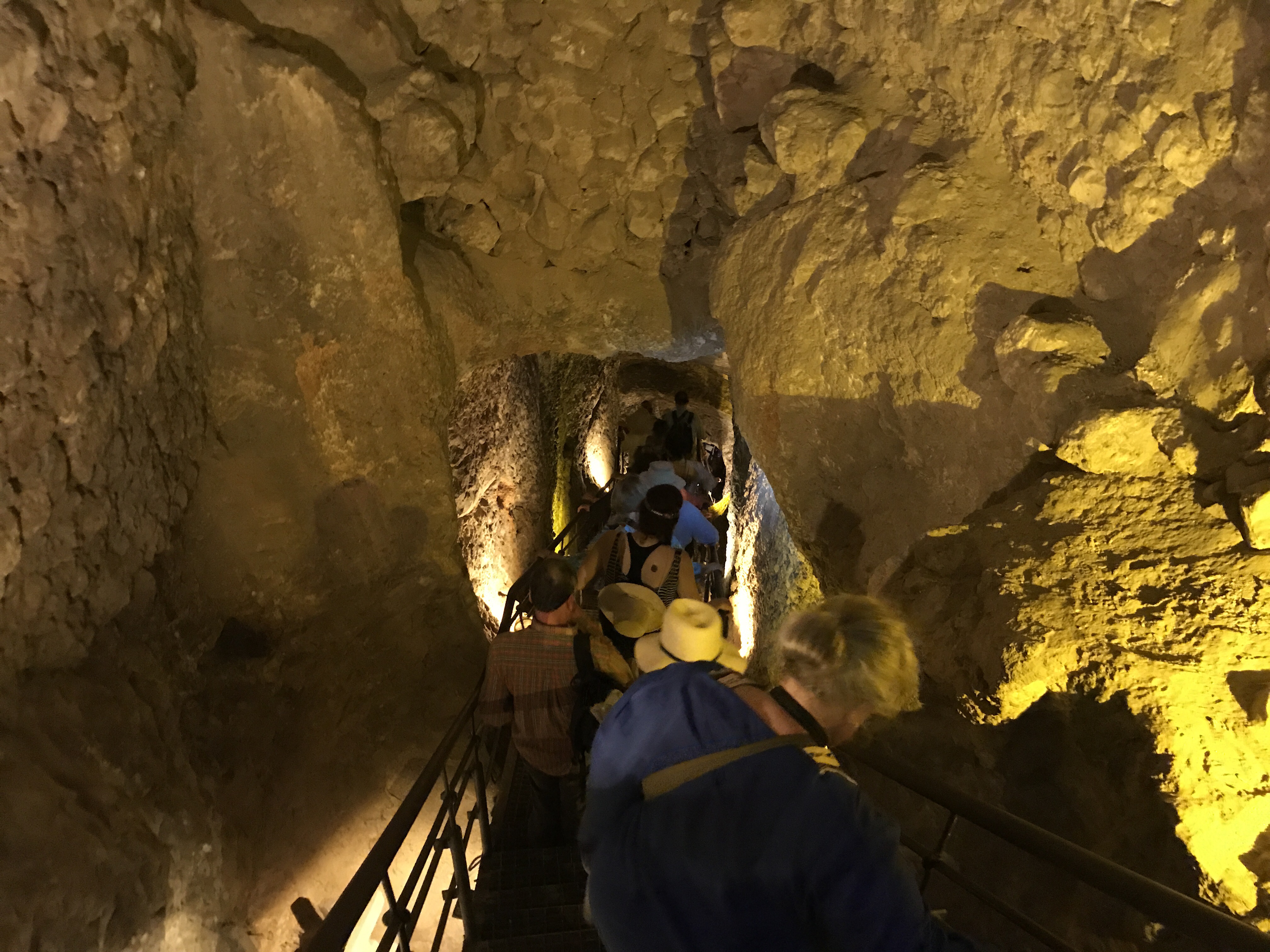
Under the City of David at the south end of Jerusalem there is an amazing tunnel that connects Gihon Spring, a primary water source for ancient Jerusalem, to the Pool of Siloam.
It’s name comes from the the time of King Hezekiah who, in protecting Jerusalem from the impending invasion of the Assyrians in the 8th century BCE, had the tunnel constructed to secure the city’s water supply.
Ancient engineers began at the two ends working toward the middle and, in a way not yet understood, meet within about a foot of each other deep underground.
The tunnel is narrow and claustrophobic yet bears witness to the prowess of the workers. I guess when a powerful empire is looming on the horizon there is a lot of motivation to accomplish important tasks.
 Clemans Travelogue